
Supporting the Animal Rights Movement
No light, but rather darkness visibleJohn Milton, Paradise Lost
serves only to discover sights of woe,
Regions of sorrow, doleful shades, where peace
And rest can never dwell, hope never comes
That comes to all; but torture without end...
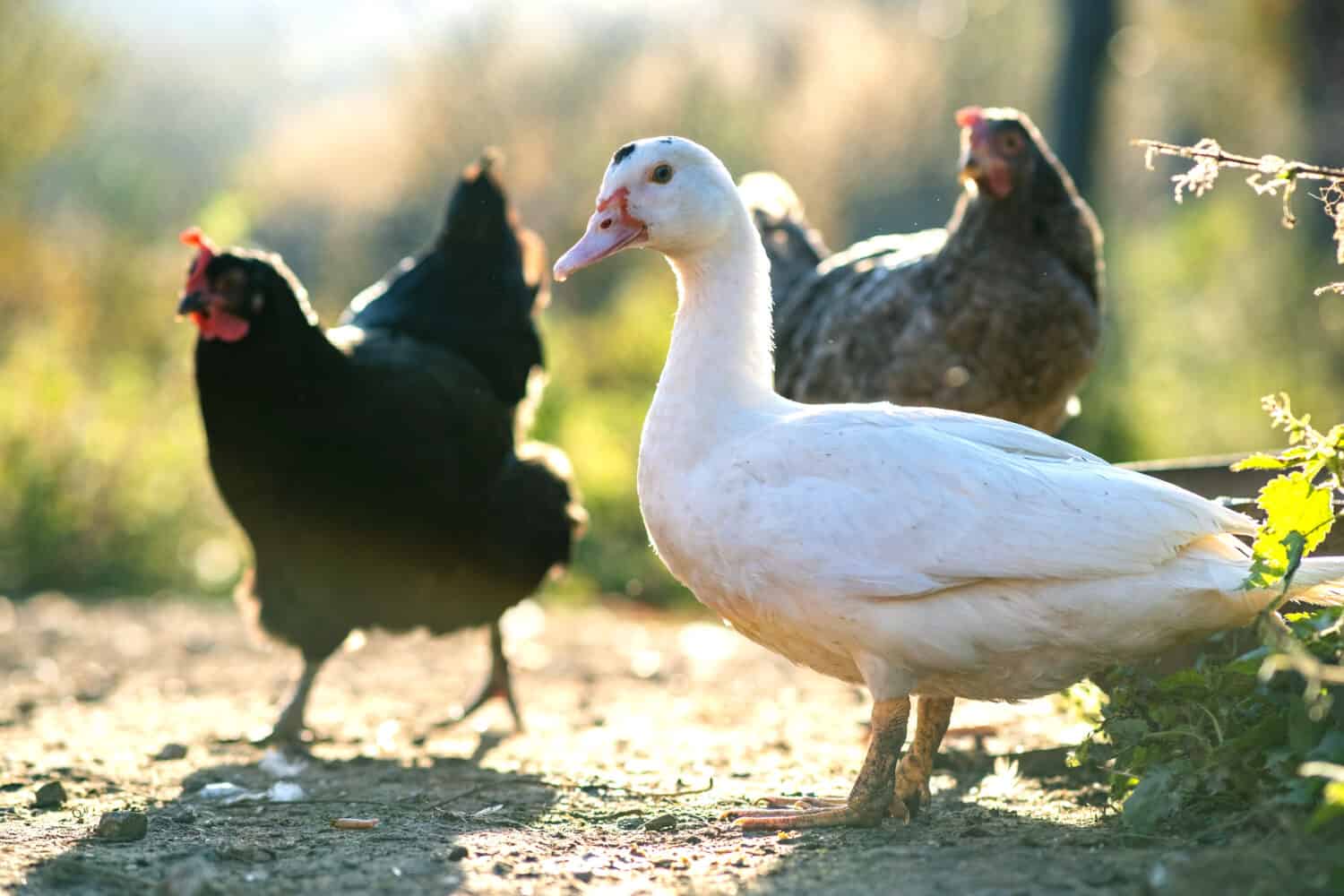
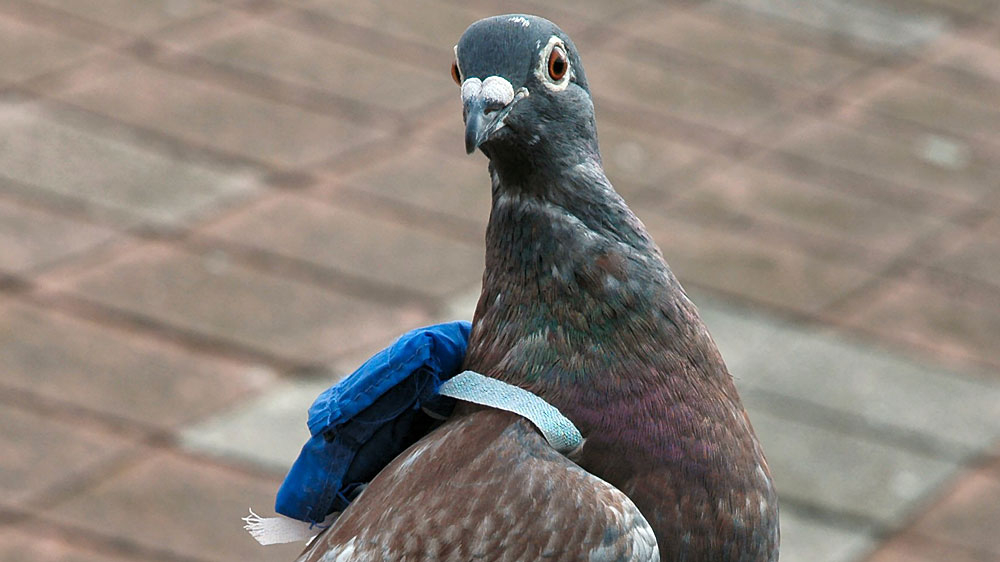
UpMoreThe biggest losers in industrial farming. They loose by number as around 98% animals killed a year are birds.1 More than 95% of these birds have the misfortune to be born as a chicken. Turkey scores 4% due to Thanksgiving.
MoreOur closest relatives at the factory farm. Many never see the daylight, others are used as living breeding machines. Pigs are born and raised inside buildings that have automated water, feed and waste removal. Dust, dirt and toxic gases from the pigs' waste create an unsanitary environment that encourages the onset of a number of diseases and illnesses, including pneumonia, cholera, dysentery and trichinosis.
MoreThe giant of the bunch, gentle, curious and clever.
Shortly after birth, lambs are subjected to two painful mutilations: castration and tail-docking. Some four million newborn lambs - about one in five of the total - die every year within a few days of birth, mostly from disease, exposure, or malnutrition.3 And about a million adult breeding animals (out of about 17.5 million) also die in the fields annually.
Current EU rules allow sheep to travel for 14 hours without a rest or water. They must have a rest period of one hour after a 14 hour journey, after which, they may be transported for a further 14 hours.
Although rabbits aren't yet as common at the factory farm, there have been experiments in battery systems similar to does from hens. Young rabbits have a high deathrate. The does (female rabbits) are as laying hens disposables. When a doe can't have seven litters a year anymore, she is slaughtered.
Some have said that with our growing management sophistication and heavy concentration of animals in small areas, there's a danger of some entirely new disease popping up -not unlike the Andromeda Strain in science fiction.Farm Journal, mid-March 1978, Can we keep our livestock healthy?
UpA mix of convinment, little moving space, to little or no sunshine, to little vitamins and dietary deficiencies can result (whith is quit common in modern factory farms) in a variety of health conditions and diseases.
Veal is deliberately breeded with a iron deficiency so the meat is pale.
In poultry factories this can lead to retarded growth, eye damage, blindness, lethargy, kidney damage, disturbed sexual development, bone and muscle weakness, anemia, brain damage, deformed beaks and joints, paralysis, internal bleeding, swollen joints, fragile bones, twisted legs and necks,...
Darkened rooms and close convinment result in animals being bored, frustrated and fearful.
In reaction to this 'stress' animals burn up available energy and nutrients that would otherwise go toward growth, resistance against diseases, lactation and gestation.
The cause of stress has a variety of origines. Occasional stress can come from debeaking birds, prematurely weaning calves or pigs,...
In these situations some animals die at the spot from shock.
The continuous stress can be found in having no relief from crowding and monotony.
Whith can result in more aggression and abnormal behavior. This can go from being so scared that they dare not to move, eat or drink to cannibalism.
The air of pig an poultry factories contain dust from mechanical feeders and excited animals, as well as ammonia and other irritating gases from the manure pits. Most hogs have signs of respiratory disease. Even powerful ventilators can't stop a disease from spreading fast.
UpIn the 1940s Dr. Thomas Jukes discoverd that chickens grew faster when fed the mash left over from the antibiotic manufacturing process. To this day no one really knows why antibiotics speed growth, but within years after Juke's discovery they became standard feed additives for poultry, cattle, calves and pigs.
In the fifties and sixties animal scientists mapped out the role of hormones in growth and reproduction and started to make hormone effecting products as feed additives and implants.
The farmer first defence against bacterial disease is antibiotics. Penicillin and tetracyclines are the most extensively used.
Nearly all poultry, 90% of veal calves and pigs get antibaterial additives in their feed. About 70% of the antibiotics are used to prevent diseases.4
Get Vegetarian, vegan and fruitarian advice
Bringing Animal Rights closer and offering a vegetarian, vegan or fruitarian alternative